Stadt
Chengdu
Stadt der Pandas, Teehäuser und Sichuan-Aromen
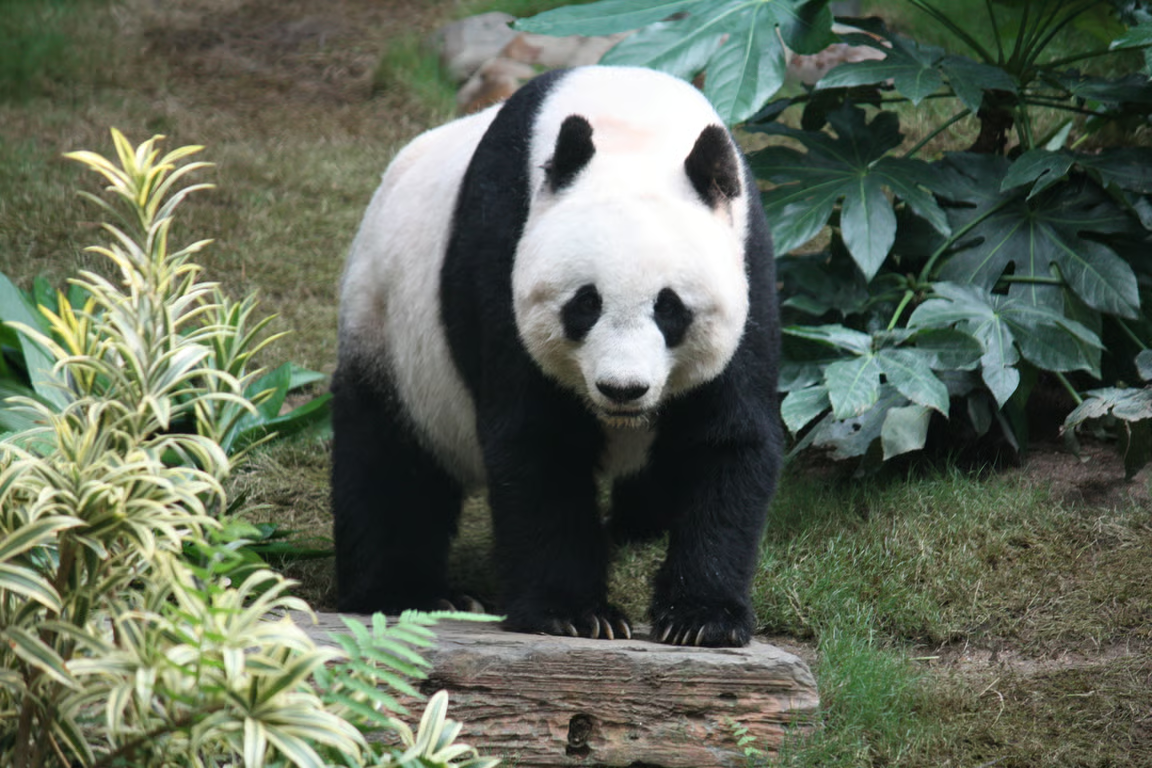
Forschungs- und Zuchtbasis für Große PandasSichuan-Hotpot und Mapo TofuJinli AltstadtstraßeEntspannte TeekulturTor nach Westsichuan und ins tibetische Hochland
Beste Reisezeit:März bis Juni und September bis November sind am angenehmsten; Juli und August sind meist heiß und schwül.
Chinesische Normalzeit
Renminbi Yuan
Mandarin, Sichuanese dialect
Über Chengdu
Chengdu ist das Tor nach Westsichuan und in Richtung Tibet und war zugleich ein bedeutender Halt an der alten südlichen Seidenstraße. Die Stadt verbindet historische Tiefe mit spürbar moderner Energie. Das Bewässerungssystem von Dujiangyan funktioniert seit über zweitausend Jahren, während der Volkspark mit seinen Teehäusern, Ohrreinigungsständen und gelassenen Stammgästen die berühmte entspannte Haltung Chengdus perfekt verkörpert. Von hier aus lassen sich auch Emei, der Große Buddha von Leshan oder die verschneiten Berge Westsichuans gut erreichen.
Höhepunkte
1
Morgendlicher Besuch der Panda-Basis
2
Sichuan-Hotpot-Abendessen in einem lokalen Restaurant
3
Spaziergang durch die Jinli Altstadtstraße
4
Teehaus-Erlebnis im Volkspark
5
Bummel durch das Viertel Kuanzhai Xiangzi
6
Tagesausflug zum Großen Buddha von Leshan
Klima und beste Reisezeit
Feucht-subtropisches Klima. Die Winter sind mild mit durchschnittlich etwa 6°C im Januar, die Sommer heiß und feucht mit rund 29°C im Juli. Bewölkter Himmel ist häufig, und der Herbst gilt meist als klarste Jahreszeit.
Anreise
Die internationalen Flughäfen Tianfu und Shuangliu verbinden Chengdu mit vielen Zielen im In- und Ausland. Mit dem Hochgeschwindigkeitszug erreicht man bequem Chongqing, Xi'an und Guiyang, außerdem weitere westliche Strecken. In der Stadt ist die Metro sehr praktisch, und auch Taxi oder Didi funktionieren gut.
Praktische Tipps
Die Panda-Basis sollte man früh am Morgen besuchen; vor 10 Uhr sind die Tiere meist am aktivsten
Mindestens einmal echten Sichuan-Hotpot in einem lokalen Restaurant probieren, nicht nur in Touristenketten
Das Zentrum lässt sich gut zu Fuß erkunden; für längere Wege ist ein Fahrdienst oft am bequemsten
Wer den Unterschied zwischen betäubender Schärfe (ma la) und reiner Schärfe kennt, bestellt leichter passend
Für echte Teehauskultur fühlt sich der Volkspark oft natürlicher an als rein touristische Adressen
Kurzinfos
Beste Reisezeit
März bis Juni und September bis November sind am angenehmsten; Juli und August sind meist heiß und schwül.
Zeitzone
Chinesische Normalzeit
Währung
Renminbi Yuan
Sprache
Mandarin, Sichuanese dialect