City
Harbin
China's ice city — Russian heritage and winter wonderland
Harbin Ice and Snow Festival (world's largest)Zhongyang Avenue Russian heritage boulevardSaint Sophia Orthodox CathedralNortheast Chinese winter cuisineSiberian Tiger Park
Best Time to Visit:December–February for the ice festival and winter sports; June–August for warm summer river culture
Asia/Shanghai
CNY
Mandarin, Northeastern dialect
About Harbin
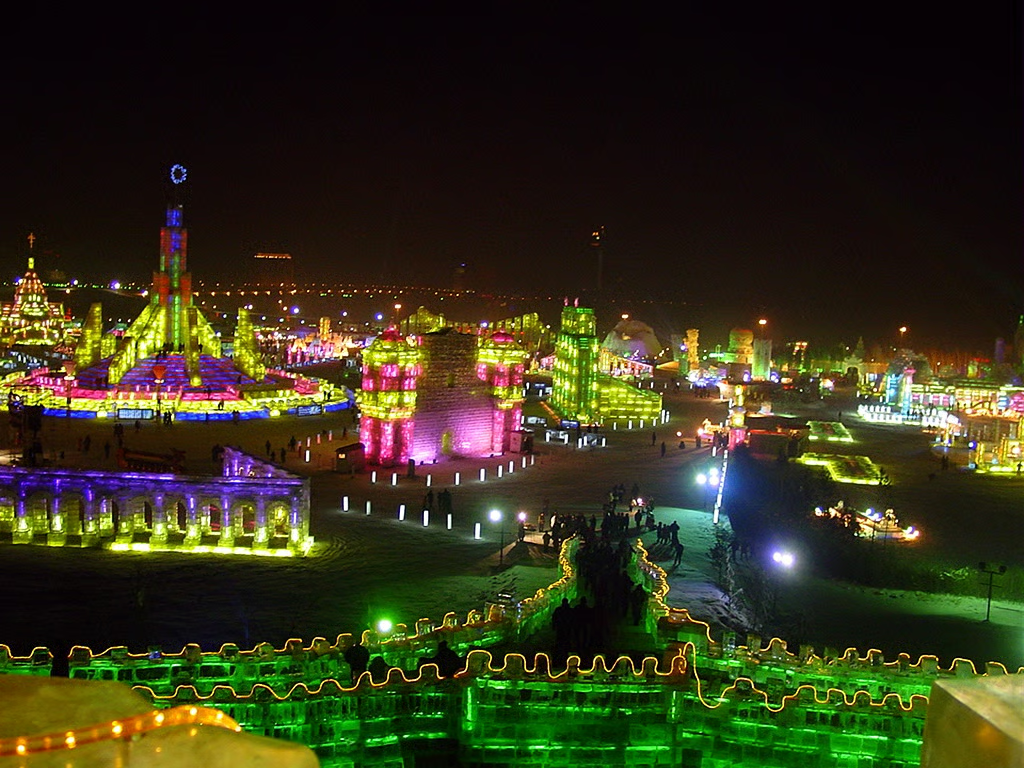
Founded as a railroad town in 1898 during Tsarist Russian expansion into Manchuria, Harbin retains a distinctive Central-European character — its Central Street (Zhongyang Dajie) is paved with Russian-era cobblestones and flanked by Art Nouveau facades. The Saint Sophia Cathedral, a towering Russian Orthodox church, is the city's most photogenic landmark. In summer, Harbin enjoys pleasant months along the Songhua River; in winter (down to -30°C), it becomes the heartland of ice sculpture and skiing culture. The Ice and Snow Sculpture Festival (January–March) is one of the world's largest outdoor art events.
Places in Harbin
Highlights
1
Ice and Snow World at night (January–March)
2
Central Street and Saint Sophia Cathedral
3
Songhua River in winter (skating, sledding)
4
Siberian Tiger Park
5
Zhaolin Park ice lanterns
6
Harbin summer beer festival
7
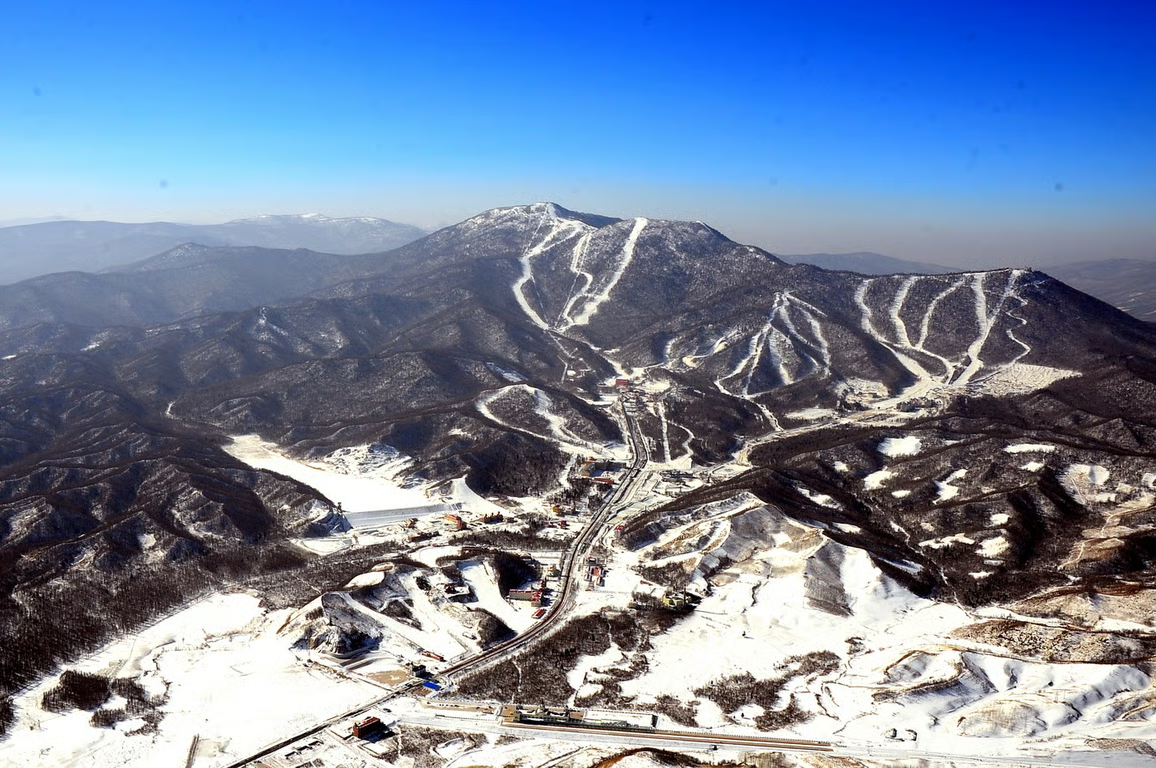
Yabuli ski resort day trip
Climate & Best Time to Visit
Subarctic climate, one of China's coldest cities. January averages -18°C, dropping to -30°C or colder. Summers warm and short (avg 24°C in July). The Songhua River typically freezes solid December–March.
Getting There
Harbin Taiping International Airport (HRB) with connections to Beijing, Shanghai, and some Russian cities. High-speed rail to Beijing (~5 hrs), Shenyang (~2 hrs), Qiqihar (~1 hr). Yabuli ski resort is 2 hours by road southeast of the city.
Practical Tips
Dress in extreme cold-weather layers — -20°C at night is common in January
Hand warmers (暖宝宝) are essential and widely available at every convenience store
Ice sculptures at Ice and Snow World are best at night when fully illuminated — buy evening tickets
Northeast Chinese cuisine is hearty and meat-heavy — try braised pork belly and sauerkraut soup
Hot spring hotels are ideal for recovery after outdoor time in freezing temperatures
Quick Facts
Best Time to Visit
December–February for the ice festival and winter sports; June–August for warm summer river culture
Timezone
Asia/Shanghai
Currency
CNY
Language
Mandarin, Northeastern dialect