City
Lhasa
Rooftop of the World — Tibet's sacred spiritual capital
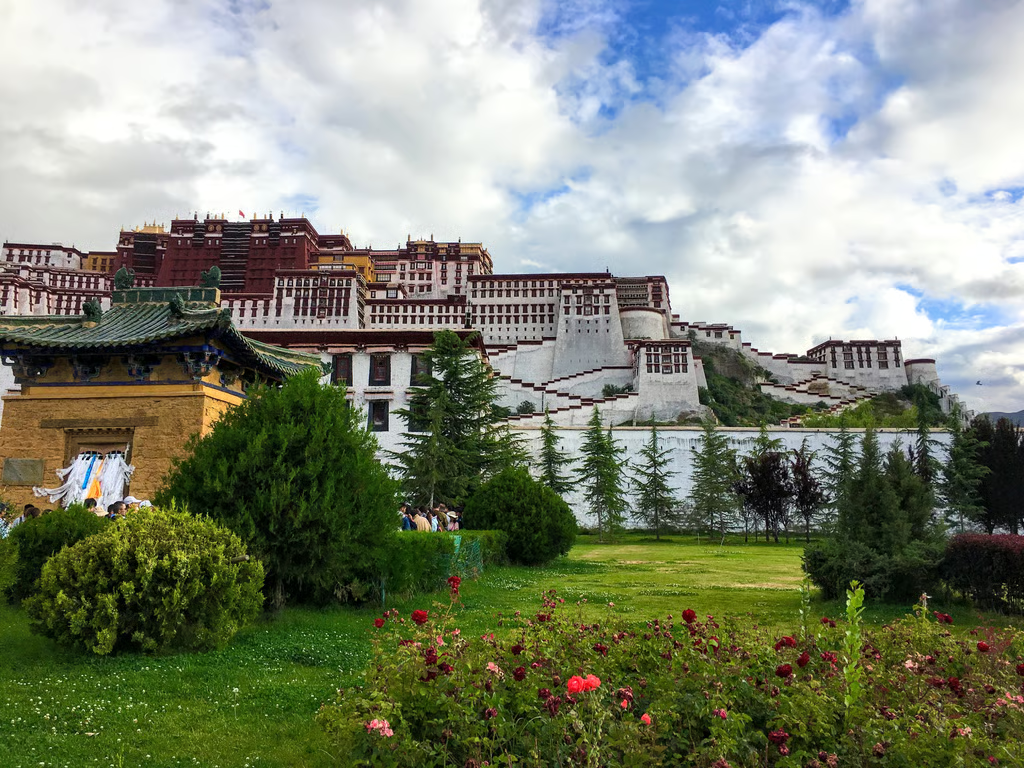
Potala Palace (UNESCO World Heritage Site)Jokhang Temple and Barkhor pilgrim circuitTibetan Buddhist monastery cultureHigh-altitude crystal clear skiesTibetan cuisine and yak butter tea
Best Time to Visit:May–October for best weather and road accessibility; peak season July–August; winter very cold but dry and clear
Asia/Shanghai
CNY
Tibetan, Mandarin
About Lhasa
At the heart of Lhasa stands the Jokhang Temple, Tibet's most sacred shrine, constantly circled by devout pilgrims spinning prayer wheels and prostrating on the stone pavement of the Barkhor circuit. Beyond the Potala and Jokhang, the Sera and Drepung monasteries — once home to thousands of monks — are among the world's most important Buddhist institutions. The city occupies the Lhasa River valley ringed by mountains above 4,000 metres, and the thin air and brilliant high-altitude sunlight create an otherworldly quality of light and atmosphere.
Highlights
1
Potala Palace (book tickets well in advance)
2
Jokhang Temple and Barkhor circuit walk
3
Sera Monastery monk debate (3pm daily)
4
Drepung Monastery complex
5
Namtso Lake day trip (190 km north)
6
Norbulingka Summer Palace gardens
Climate & Best Time to Visit
High-altitude semi-arid climate. Summers warm (avg 18°C in July), dry, sunny with afternoon thunderstorms. Winters very cold (avg -2°C in January) with clear skies. UV radiation is intense year-round. Oxygen levels are roughly 30% lower than at sea level.
Getting There
Lhasa Gonggar Airport (LXA) is 65 km from city with domestic connections. All foreign visitors require a Tibet Travel Permit (in addition to a Chinese visa) — obtainable only through registered tour operators. The Qinghai-Tibet Railway (Lhasa–Xining ~20 hrs; through Qinghai) is one of the world's great train journeys at avg 4,000 metres elevation.
Practical Tips
Tibet Travel Permit is mandatory — plan at least 10–15 days ahead to arrange through an operator
Acclimatize for 2–3 days in Lhasa before major physical activities — altitude sickness at 3,650m is real
Carry altitude medication (Diamox/acetazolamide) — consult a doctor before your trip
Photography inside the Potala Palace is not permitted; respectful photography is welcome at Barkhor
Dress conservatively at all religious sites — cover shoulders and knees
Yak butter tea (po cha) is an acquired taste; try tsampa barley dishes for authentic Tibetan food
Quick Facts
Best Time to Visit
May–October for best weather and road accessibility; peak season July–August; winter very cold but dry and clear
Timezone
Asia/Shanghai
Currency
CNY
Language
Tibetan, Mandarin