Region
Tibet Autonomous Region
Roof of the World
High-altitude adventureTibetan BuddhismSacred mountainsHimalayan scenerySpiritual culture
Best Time to Visit:May-June and September-October for comfortable temperatures and clear mountain views.
Asia/Shanghai
CNY
Tibetan, Mandarin
About Tibet Autonomous Region
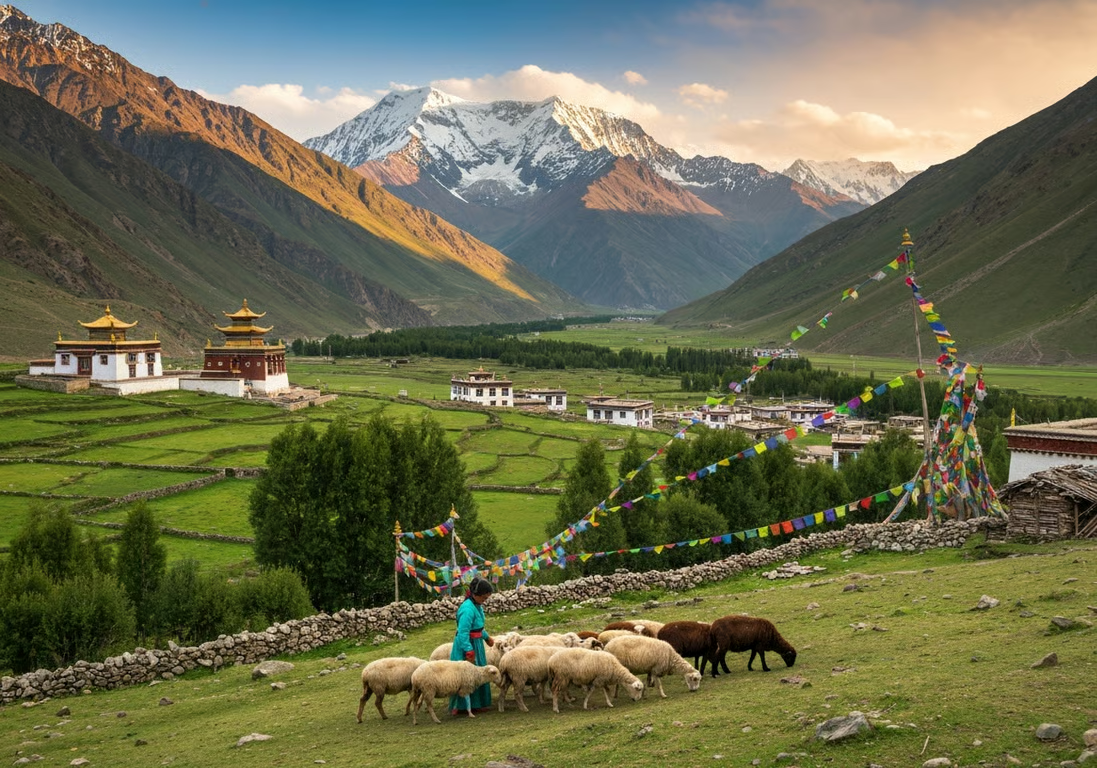
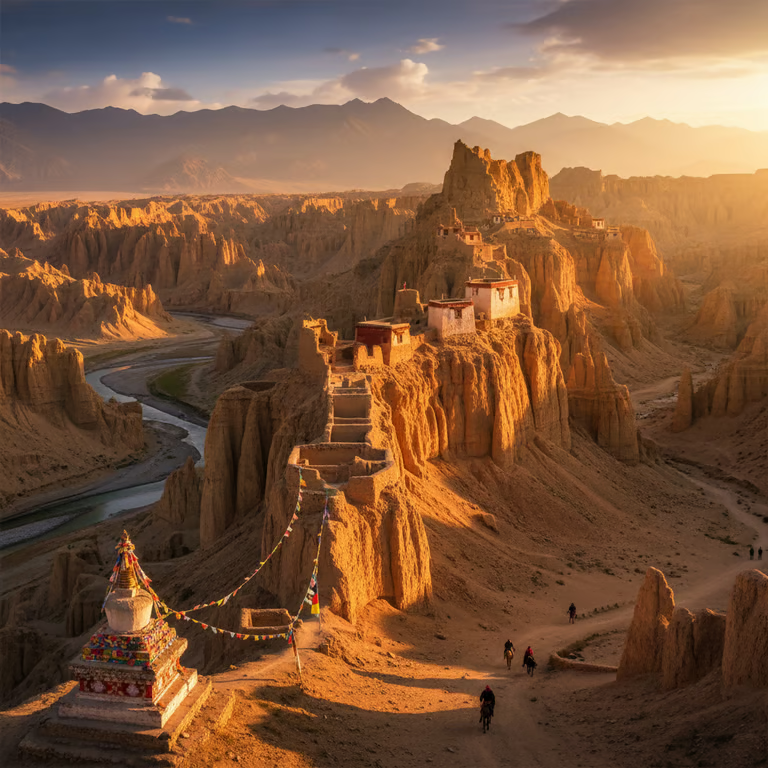
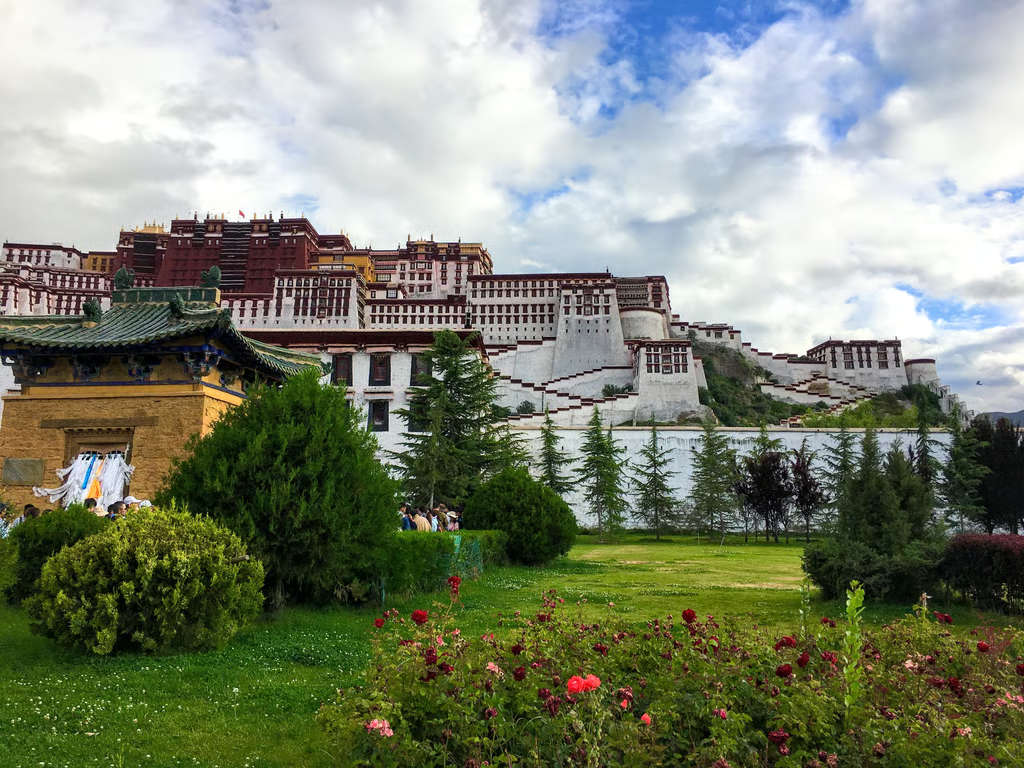
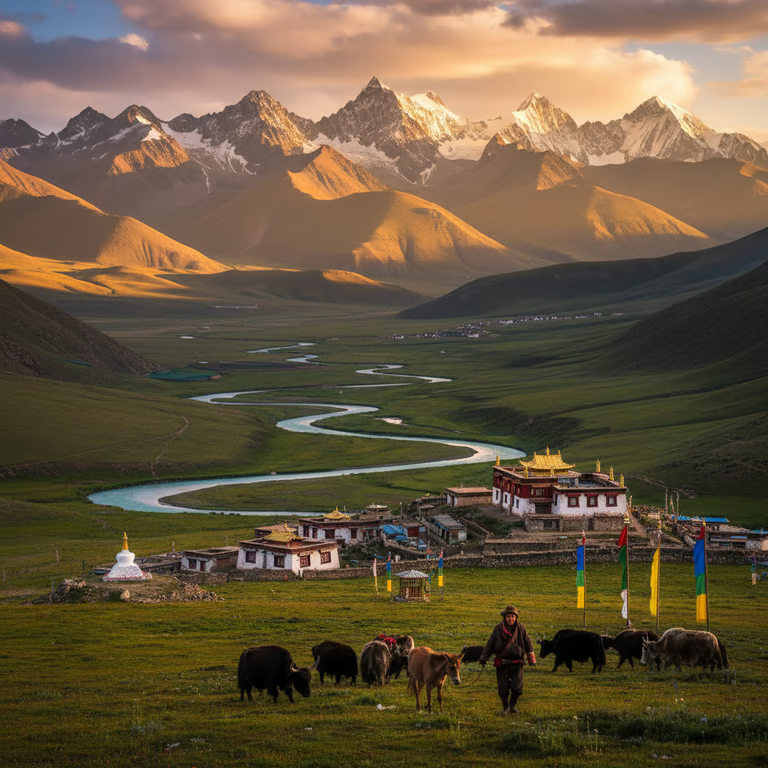
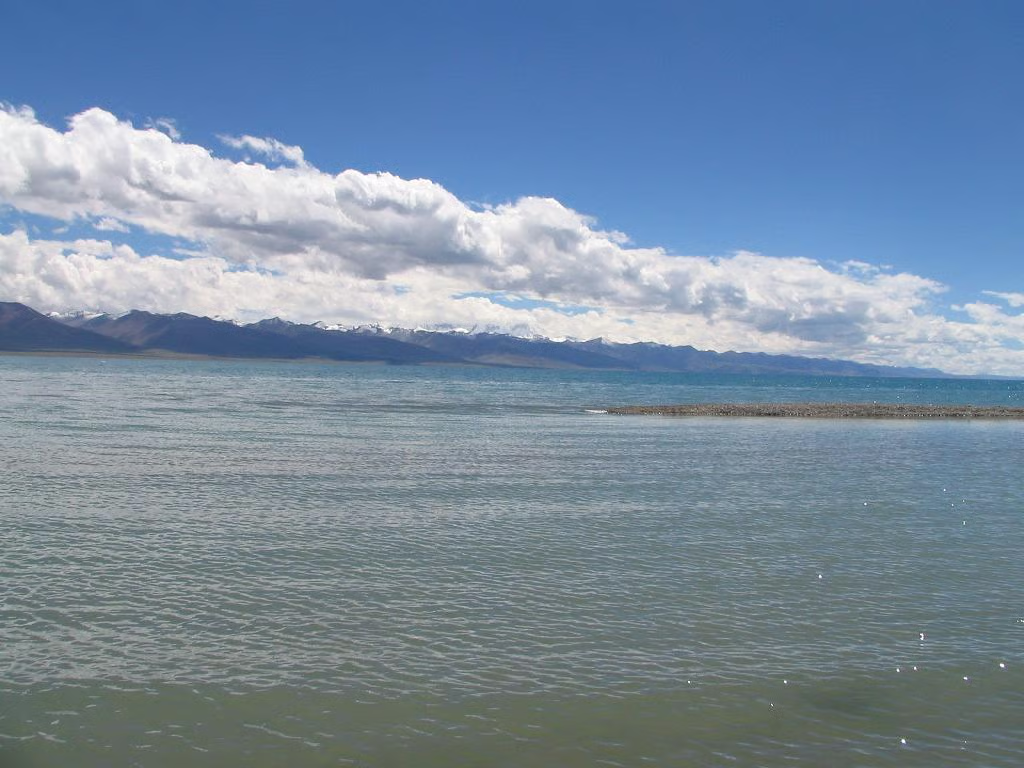
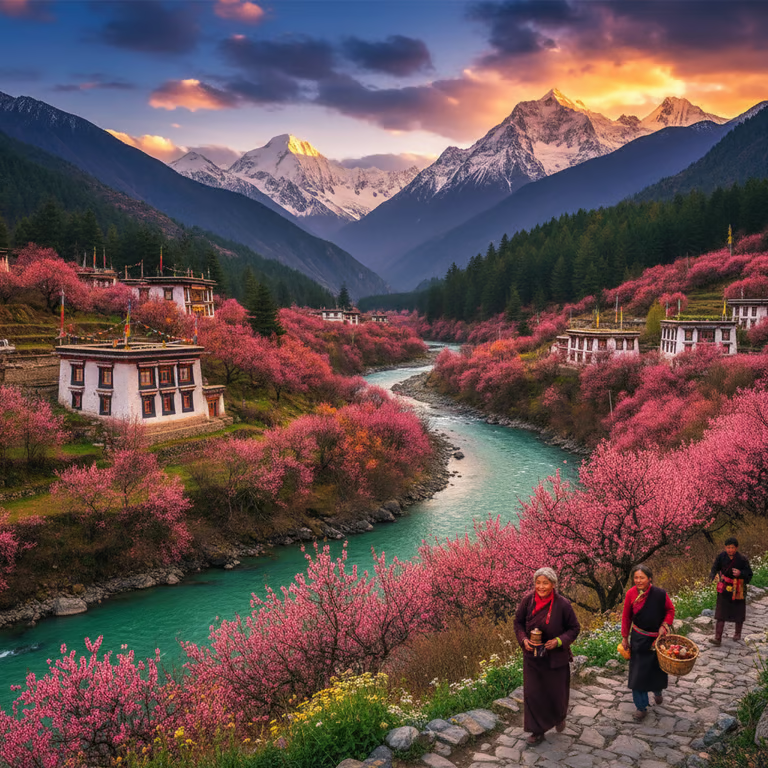
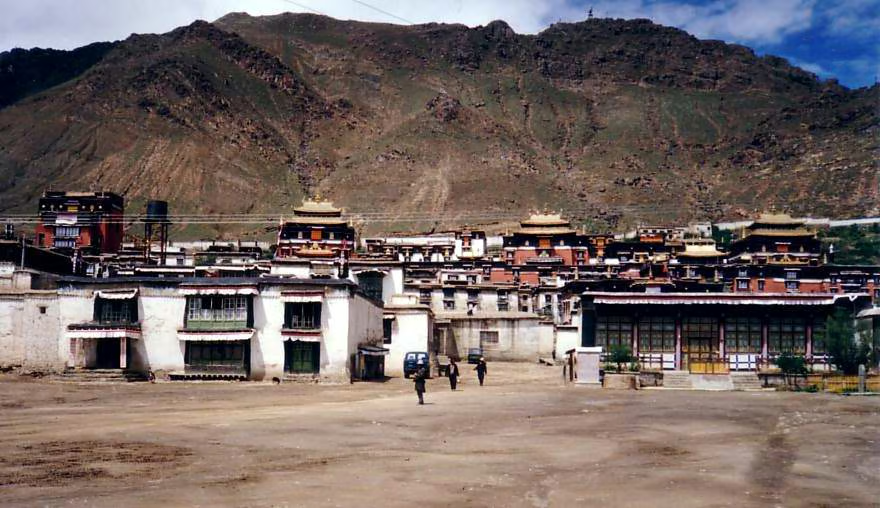
Tibet sits at extreme altitude on the Tibetan plateau, creating a unique environment and deeply spiritual Buddhist culture. Mount Everest is the world's highest peak on the China-Nepal border. The landscape is predominantly high plateau with snow-capped mountains and pristine valleys. Ancient monasteries perch dramatically on hillsides, while traditional Tibetan towns preserve medieval character. The spiritual significance and unique culture make this one of China's most distinctive regions. The Potala Palace in Lhasa is an iconic landmark.
Places in Tibet Autonomous Region
Highlights
1
Mount Everest
2
Potala Palace in Lhasa
3
Buddhist monasteries
4
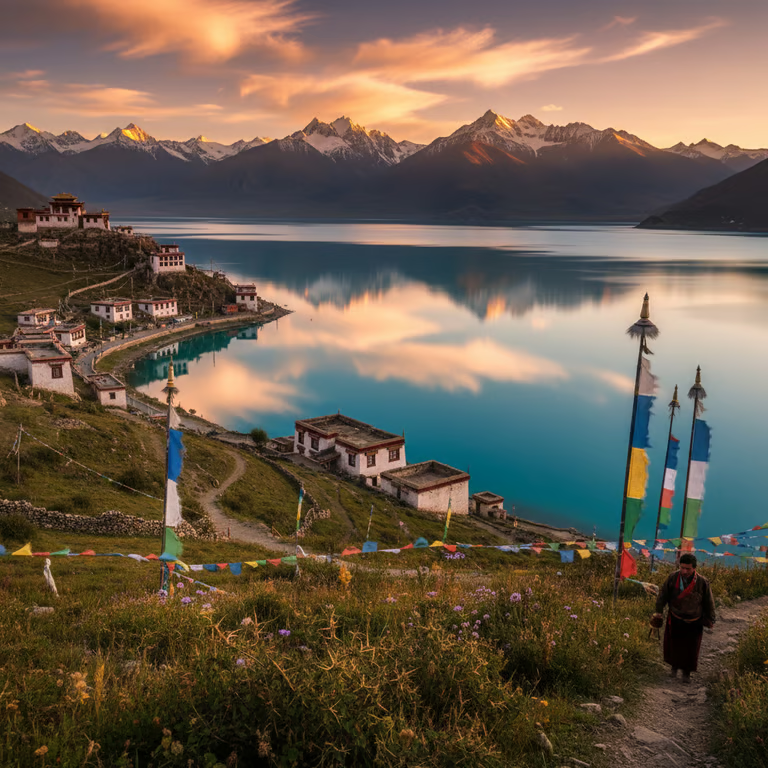
Tibetan plateau scenery
5
Sacred lakes and peaks
Climate & Best Time to Visit
Alpine plateau climate. Extremely cold winters (-20 to 0°C), cool summers (10-20°C), low rainfall, intense UV exposure.
Getting There
Lhasa is the main hub with airport and train connections. Flights and trains require high-altitude acclimatization. Car rental with driver essential. Limited public transport.
Practical Tips
Heavy warm clothing even for summer
Sunscreen and sunglasses essential for UV exposure
Acclimatize for several days before strenuous activity
Permits required for some areas; work through tour operators
Health insurance covering altitude sickness recommended
Ready to explore?
Tibet Autonomous Region Tours
View Tours in Tibet Autonomous Region← All Destinations
Quick Facts
Best Time to Visit
May-June and September-October for comfortable temperatures and clear mountain views.
Timezone
Asia/Shanghai
Currency
CNY
Language
Tibetan, Mandarin