City
Shangri-La
A Tibetan kingdom of sky, yak pastures, and ancient monasteries
Ganden Sumtseling Monastery (Songzanlin Temple — Little Potala)Potatso National Park (Bitahai and Shudu lakes)Dukezong Old Town and world's largest prayer wheelTibetan nomadic highland cultureGateway to Tibet and Meili Snow Mountain
Best Time to Visit:May–October for pleasant weather; September–October for golden grasslands; winter is very cold but atmospheric with fewer crowds
Asia/Shanghai
CNY
Tibetan, Mandarin
About Shangri-La
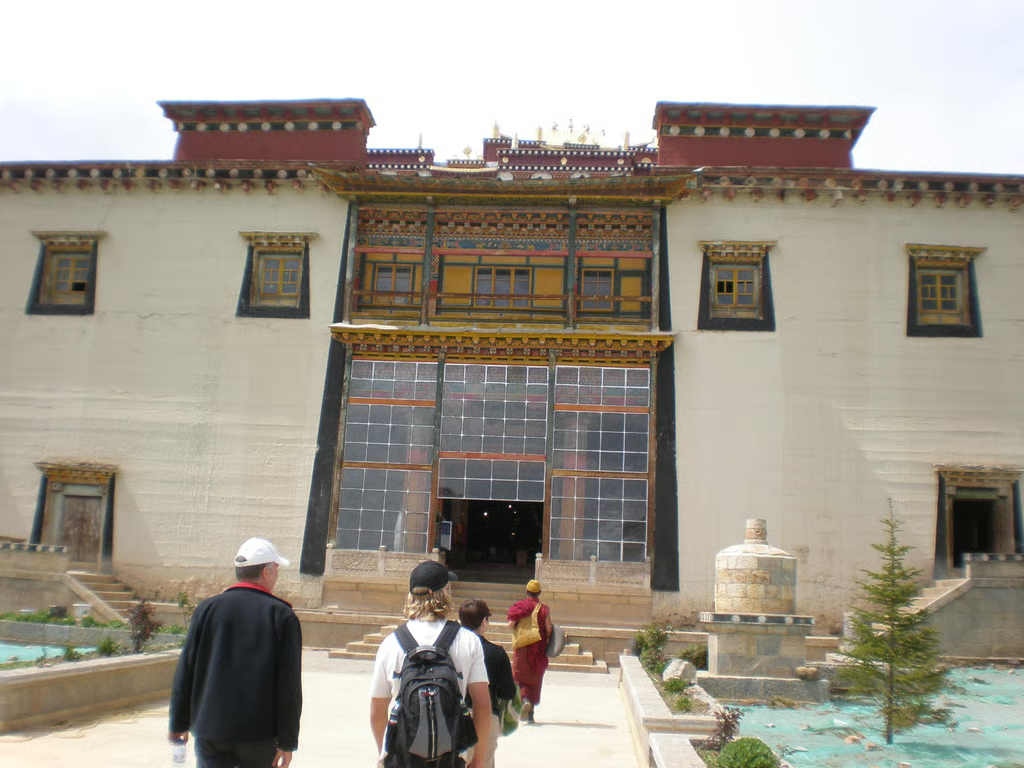
The Ganden Sumtseling Monastery — often called the "Little Potala" — is Shangri-La's defining landmark: a 1679 fortress-monastery housing over 700 monks, its golden rooftops gleaming above a lake at the edge of town. The ancient Dukezong Old Town sits at one of the highest altitudes of any old town in China, centered on the world's largest spinning prayer wheel. Potatso National Park offers pristine high-altitude alpine forest, meadows, and turquoise lakes. Shangri-La is the last major town before the road ascends into Tibet proper.
Highlights
1
Ganden Sumtseling Monastery sunrise walk
2
Potatso National Park lakes circuit
3
Dukezong Old Town at night with lanterns
4
World's largest prayer wheel (Dukezong)
5
Napa Lake cranes and seasonal meadows (October–April)
6
Meili Snow Mountain viewpoint (Deqin, 3 hrs north)
7
Tibetan farmhouse dinner experience
Climate & Best Time to Visit
High-altitude Tibetan plateau climate. Cold winters (avg -3°C in January, can drop to -20°C). Mild summers (avg 19°C in July) with afternoon rain. Brilliant sunshine year-round. UV is intense at 3,160m. Rainy season May–September.
Getting There
Diqing Shangri-La Airport (DIG) with direct flights to Kunming (40 min), Chengdu, Chongqing, and other cities. High-speed rail does not yet reach Shangri-La. By road from Lijiang (~4 hrs) or Dali (~5 hrs via winding but scenic highways).
Practical Tips
Altitude adjustment needed — Shangri-La is at 3,160m; rest on arrival day
Book accommodation and monastery visit well in advance to avoid Golden Week crowds
Try yak hotpot, yak butter tea, and highland barley wine in a traditional Tibetan guesthouse
The Dukezong Old Town was partially rebuilt after a 2014 fire but remains charming
Temperatures drop sharply after sunset even in summer — always carry a warm layer
Quick Facts
Best Time to Visit
May–October for pleasant weather; September–October for golden grasslands; winter is very cold but atmospheric with fewer crowds
Timezone
Asia/Shanghai
Currency
CNY
Language
Tibetan, Mandarin