Province
Yunnan Province
Mystical Mountain Province
Ethnic minoritiesTropical forestsMountain sceneryAncient townsBiodiversity
Best Time to Visit:April-May and September-November for comfortable temperatures and clear views.
Asia/Shanghai
CNY
Mandarin, Yi, Bai, Dai and minority languages
About Yunnan Province
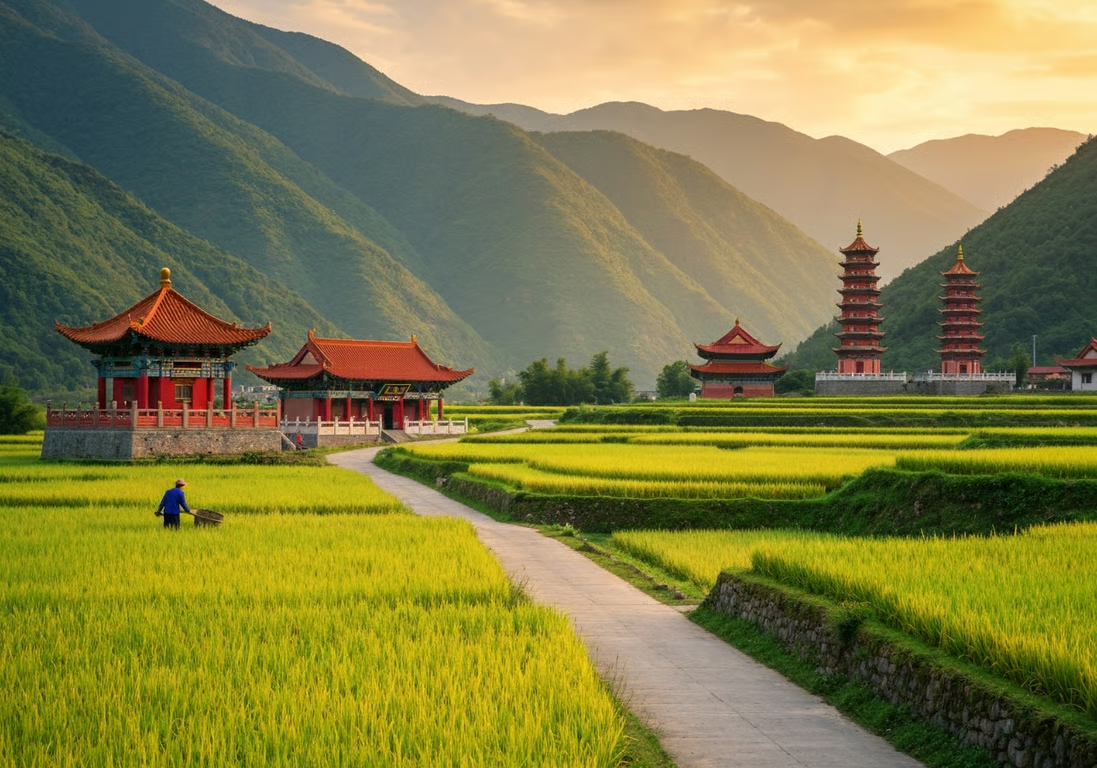
Yunnan is China's most biodiverse province with tropical rainforests in the south transitioning to high mountains in the north. The province is home to numerous ethnic minorities, each with distinct traditions, languages, and festivals. Kunming offers urban culture, while Lijiang and Dali showcase ancient towns with minority heritage. The landscape ranges from tropical jungles to snow-capped peaks, offering incredible natural diversity. Spiritual practices, traditional medicine, and artisanal crafts remain vibrant.
Places in Yunnan Province
Baoshan
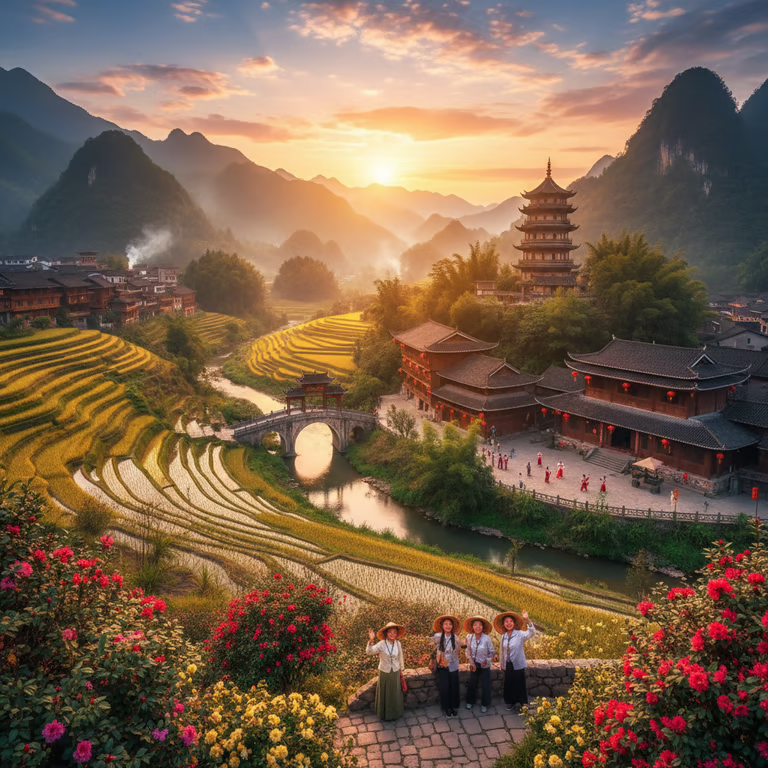
Gateway to Volcanoes, Hot Springs and Ancient Trade Routes

Dali
Ancient white marble city on the shores of a highland lake

Deqin County
At the Foot of the Snow Mountains — Sacred Peaks of Tibetan Yunnan
Jianshui County
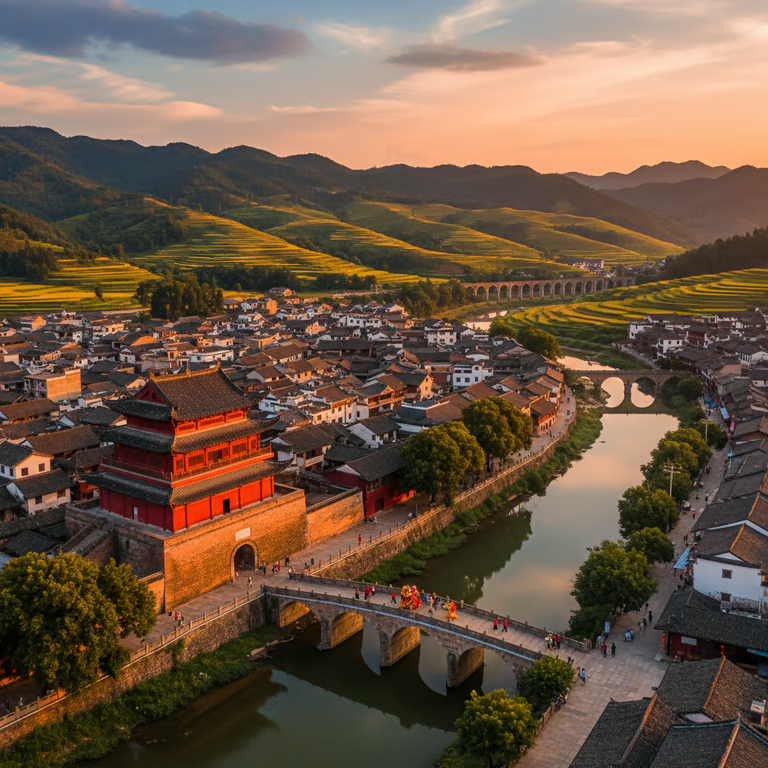
Ancient Tea Garden
Kunming
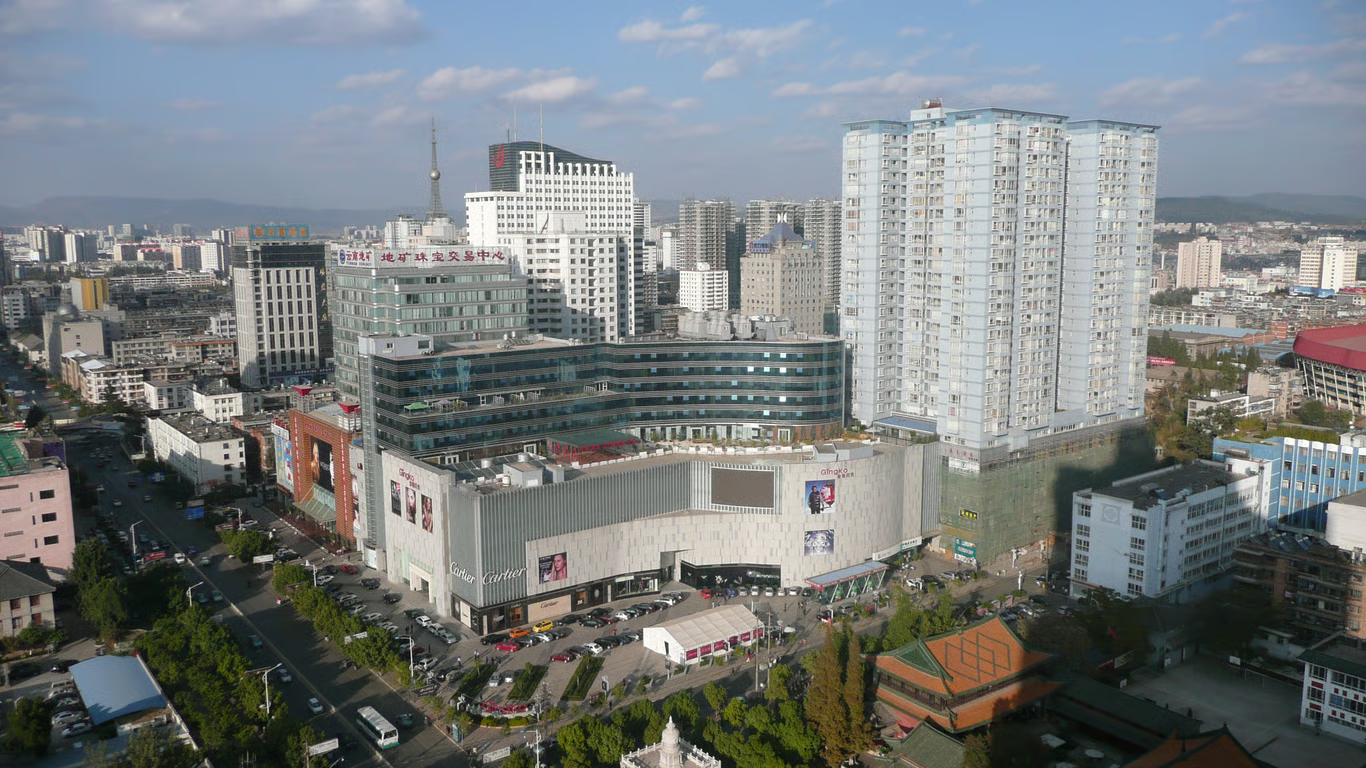
City of Eternal Spring, gateway to Yunnan's wonders
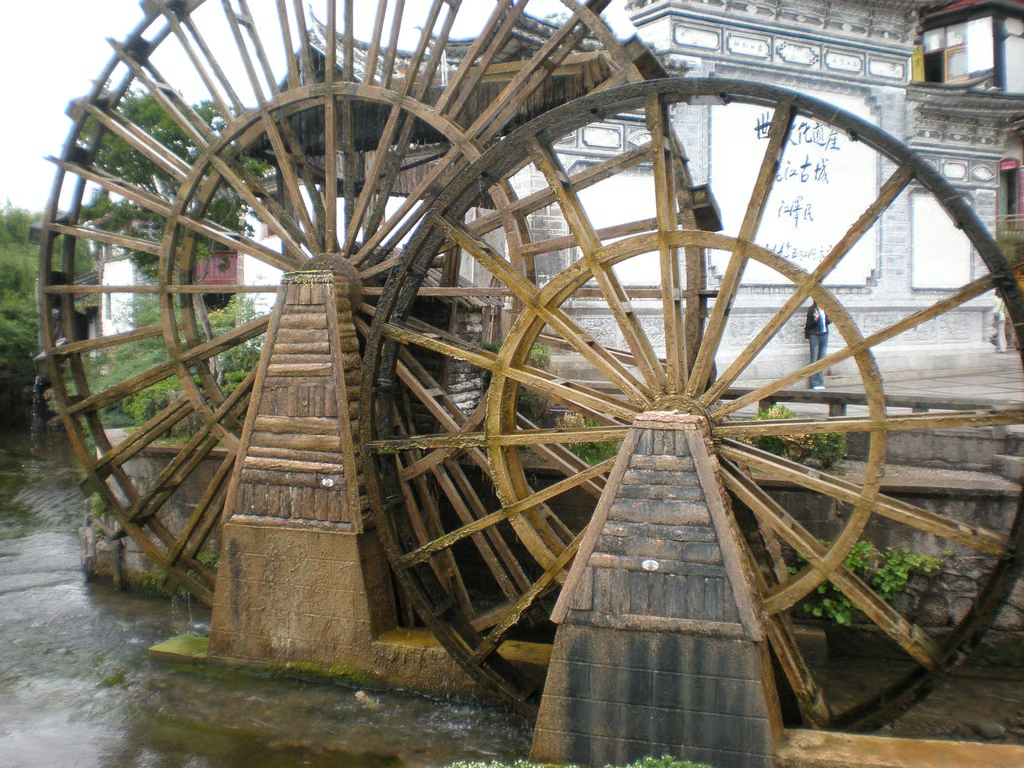
Lijiang
Ancient Naxi town beneath the Jade Dragon Snow Mountain
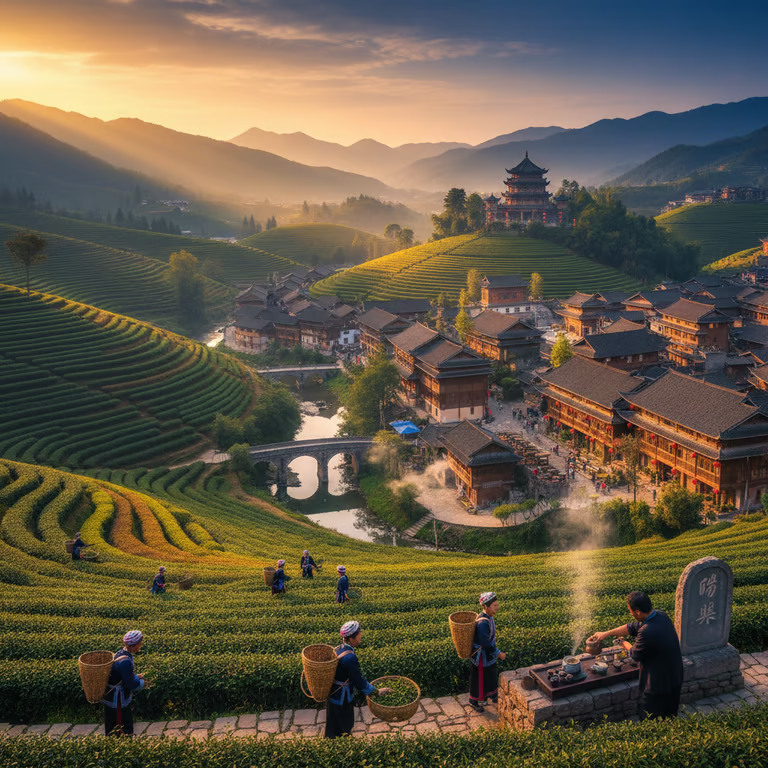
Pu'er
Source of the World's Most Celebrated Tea
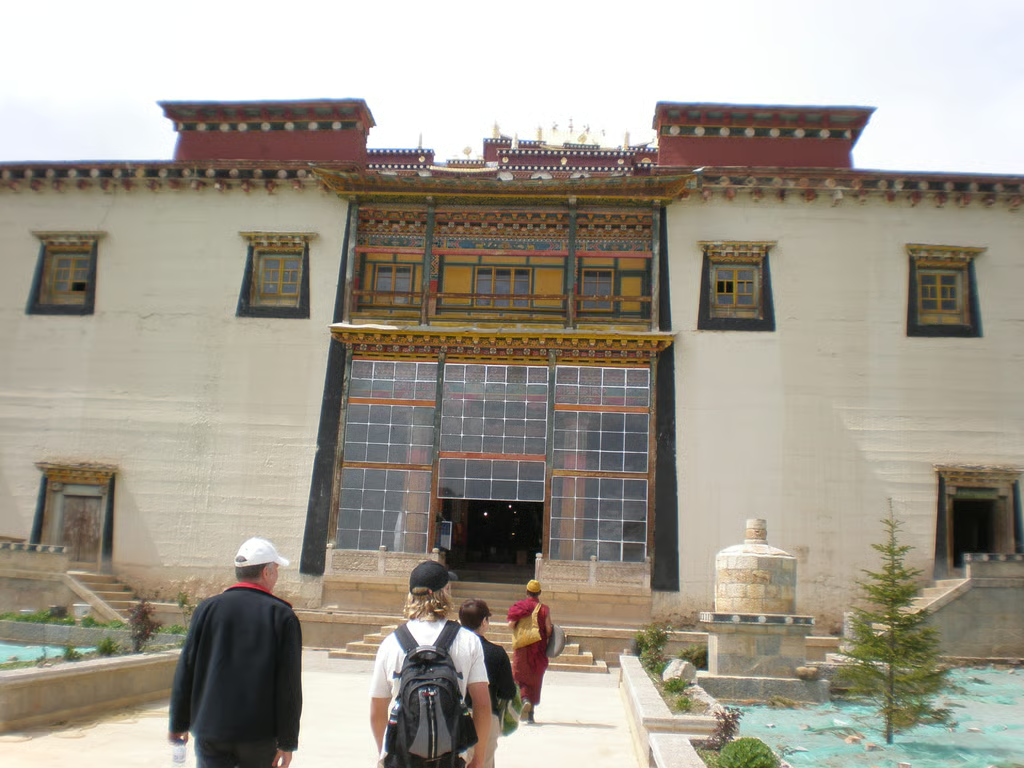
Shangri-La
A Tibetan kingdom of sky, yak pastures, and ancient monasteries
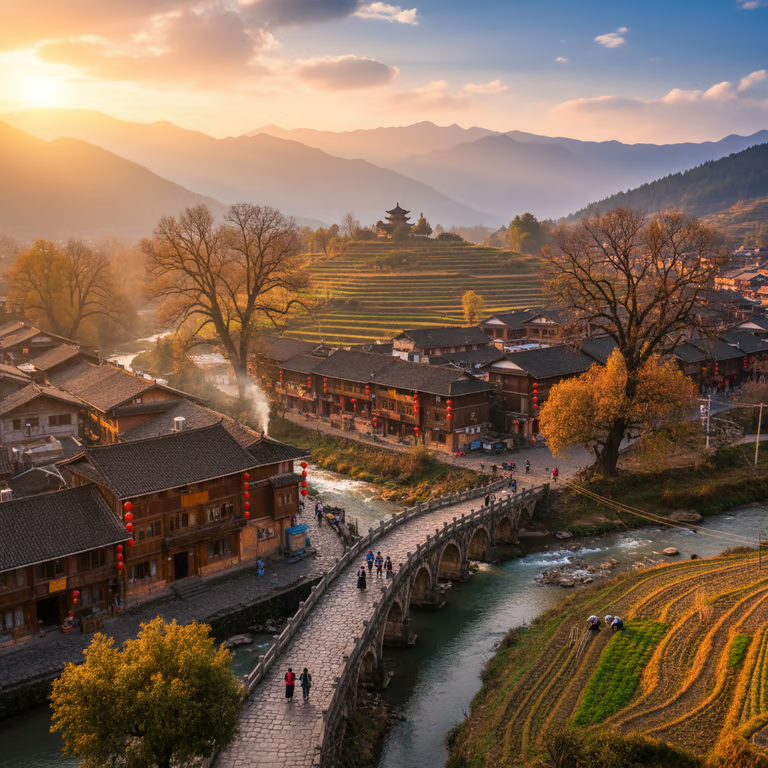
Shaxi Ancient Town
Yunnan Market Town
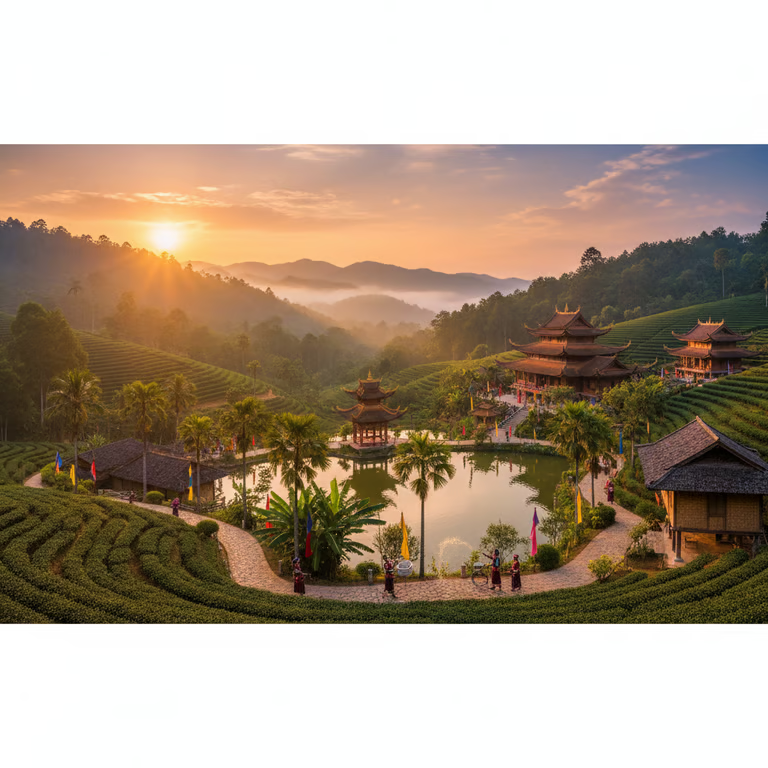
Xishuangbanna
China's Tropical Paradise — Where the Elephants Roam
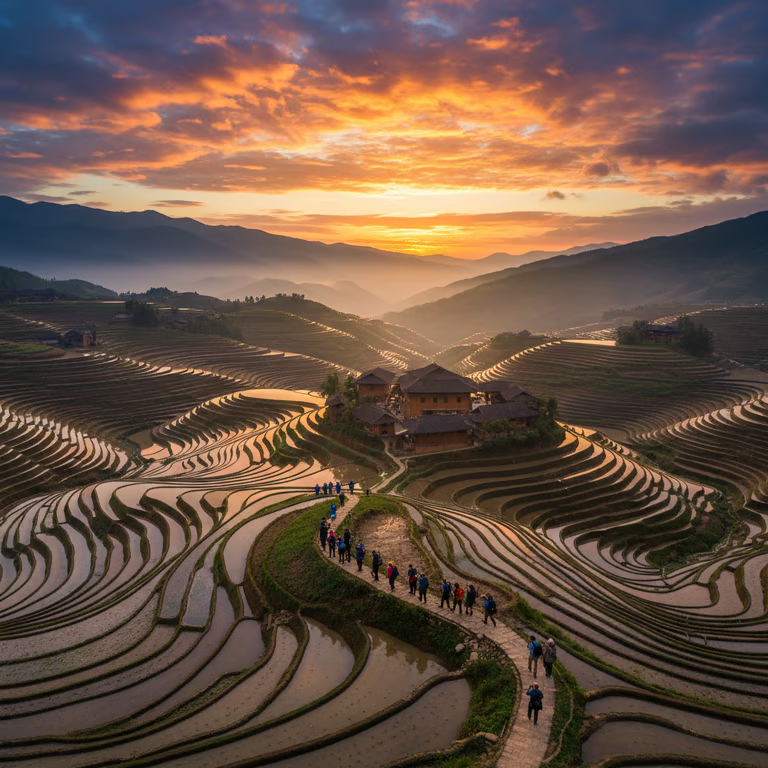
Yuanyang County
Yunnan Terrace Culture
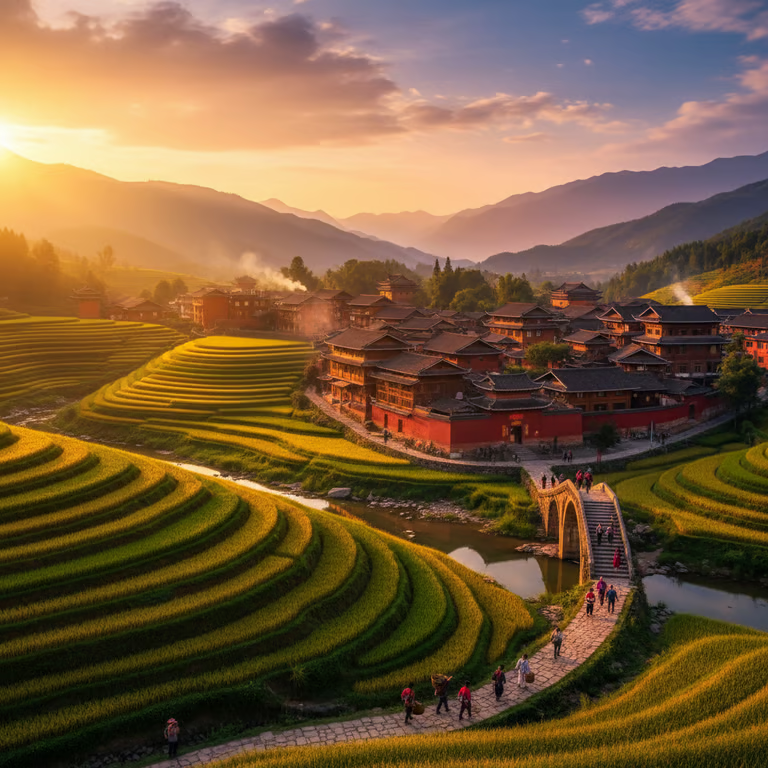
Yuxi
Tobacco Capital and Jewel Lake Gateway
Highlights
1
Lijiang ancient town and culture
2
Dali Three Pagodas
3
Xishuangbanna tropical forests
4
Mount Yulong glacier
5
Minority villages and culture
Climate & Best Time to Visit
Tropical to temperate varying by altitude. Kunming area mild year-round (10-25°C); mountains cooler (0-15°C), tropical south hot (20-35°C).
Getting There
Kunming has an international airport with connections to major cities and Southeast Asia. Regional airports in Lijiang and Dali. Cable cars and local transport available.
Practical Tips
Layers for altitude variations
Waterproof jacket for rainy season
Book minority village visits through reputable guides
Respect local customs and photography permissions
Translation app helpful for minority areas
Quick Facts
Best Time to Visit
April-May and September-November for comfortable temperatures and clear views.
Timezone
Asia/Shanghai
Currency
CNY
Language
Mandarin, Yi, Bai, Dai and minority languages