Регион
Тибетский автономный район
Крыша мира
Высокогорные приключенияТибетский буддизмСвященные горыГималайские пейзажиДуховная культура
Лучшее время для посещения:Май июнь и сентябрь октябрь для комфортной температуры и ясных видов на горы.
Китай, стандартное время
китайский юань
Tibetan, Mandarin
О направлении Тибетский автономный район
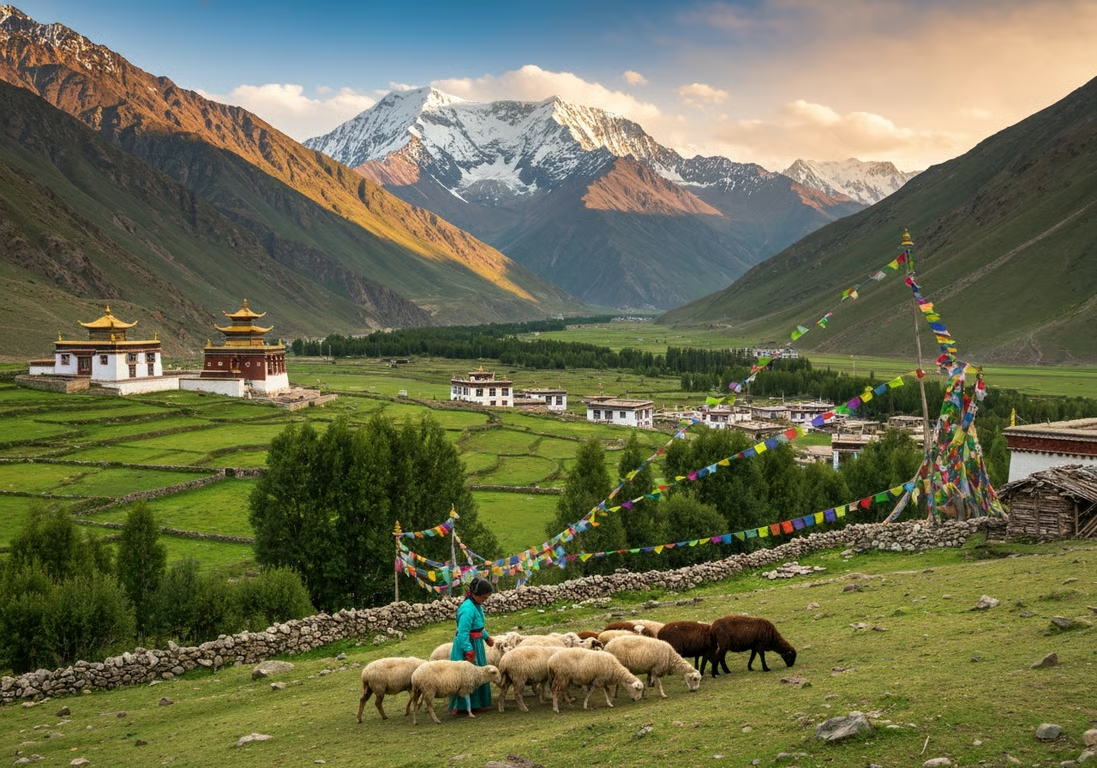
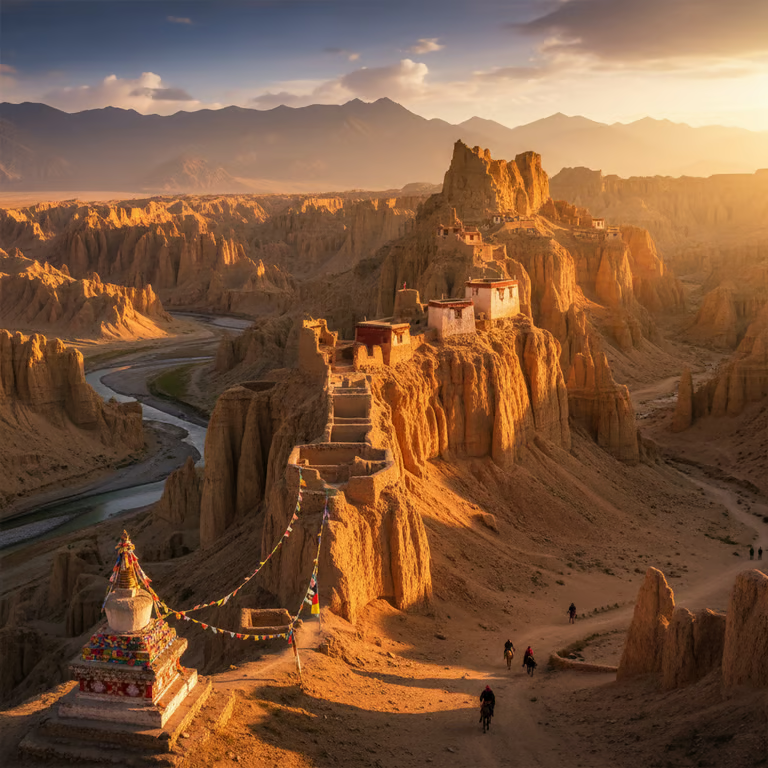
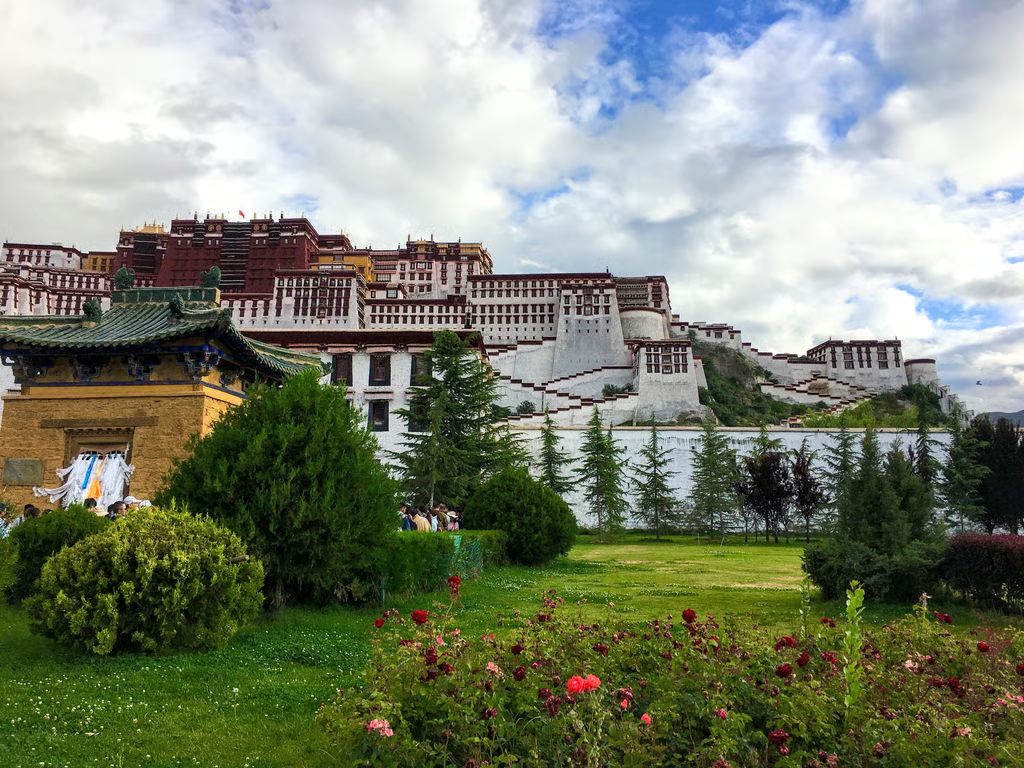
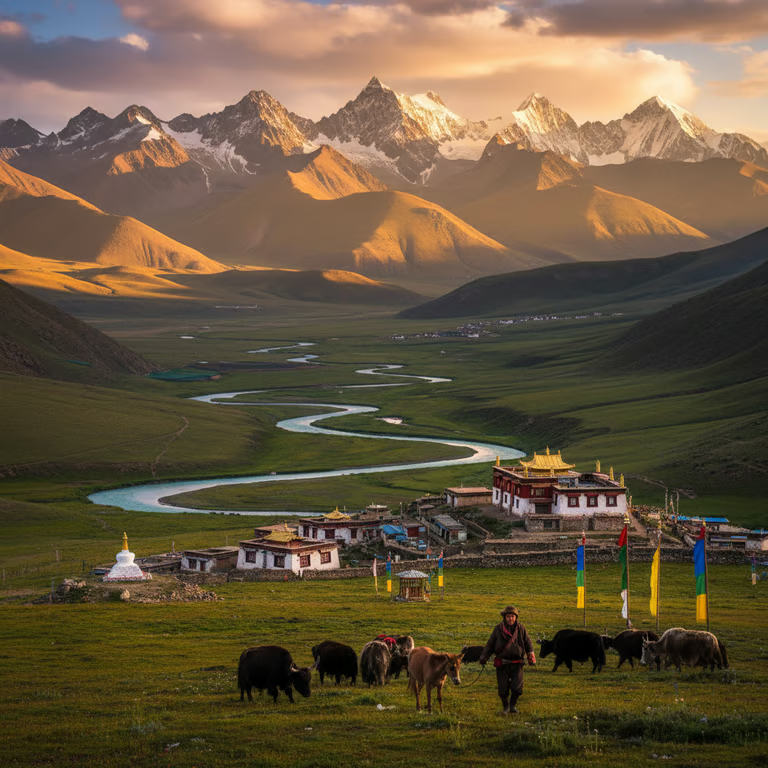
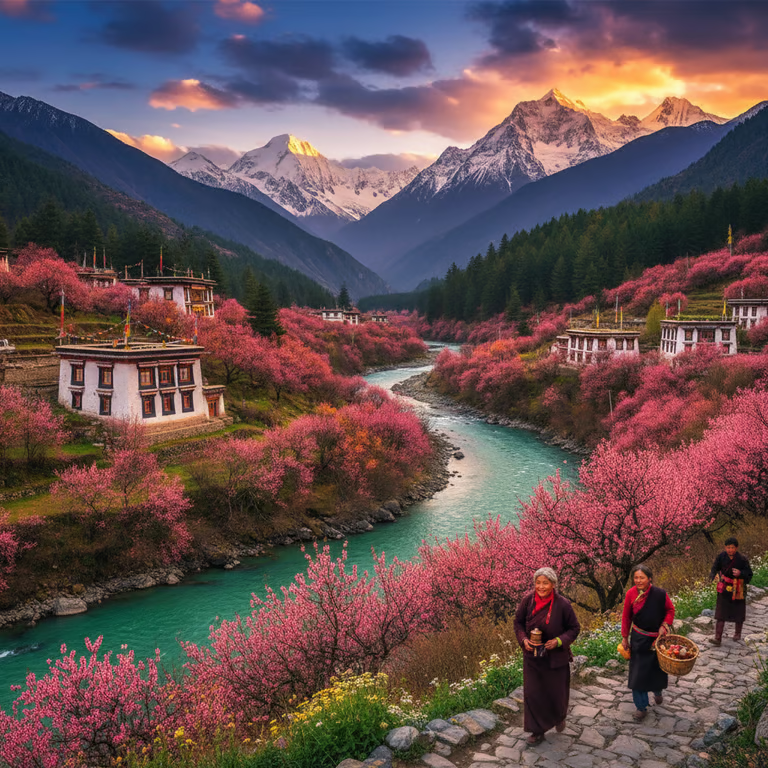
Тибет расположен на экстремальной высоте на Тибетском плато, что создает уникальную природную среду и глубоко духовную буддийскую культуру. Гора Эверест, самая высокая вершина мира, находится на границе Китая и Непала. В пейзаже преобладают высокие плато, заснеженные горы и чистые долины. Древние монастыри эффектно стоят на горных склонах, а традиционные тибетские города сохраняют исторический облик. Духовное значение и уникальная культура делают этот регион одним из самых самобытных в Китае. Дворец Потала в Лхасе является знаковой достопримечательностью.
Места в Тибетский автономный район

Основные моменты
1
Гора Эверест
2
Дворец Потала в Лхасе
3
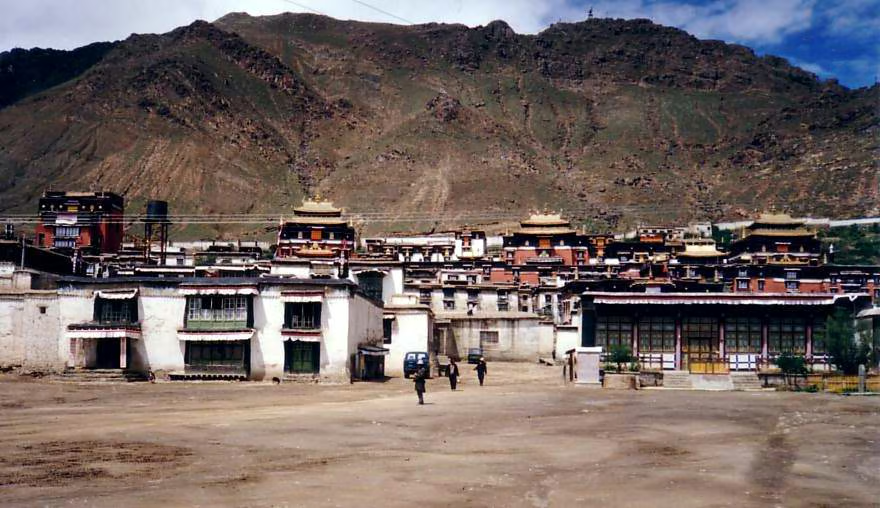
Буддийские монастыри
4
Пейзажи Тибетского плато
5
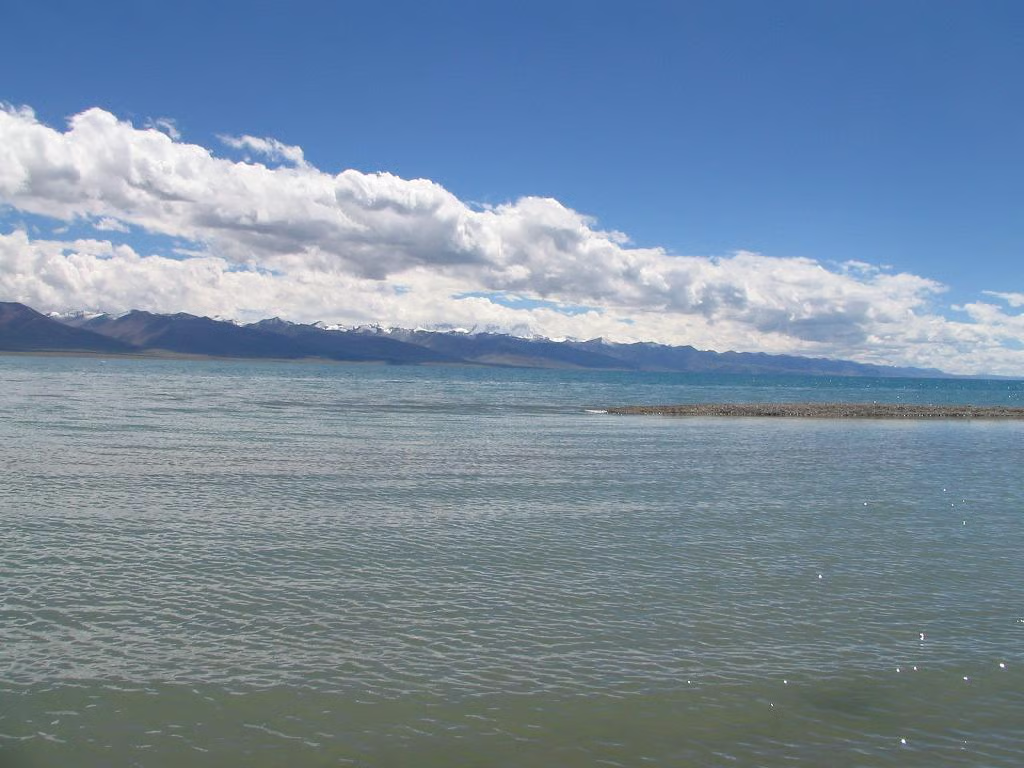
Священные озера и вершины
Климат и лучшее время для посещения
Альпийский климат плато. Очень холодная зима от минус 20 до 0 градусов Цельсия, прохладное лето от 10 до 20 градусов Цельсия, мало осадков, сильное ультрафиолетовое излучение.
Как добраться
Лхаса является главным транспортным центром с аэропортом и железнодорожным сообщением. Перелеты и поезда требуют акклиматизации к высоте. Машина с водителем практически необходима. Общественный транспорт ограничен.
Практические советы
Теплая одежда нужна даже летом
Солнцезащитный крем и очки необходимы из за сильного ультрафиолета
Перед нагрузками нужно несколько дней для акклиматизации
Для некоторых районов требуются разрешения, лучше оформлять через туроператоров
Рекомендуется медицинская страховка с покрытием горной болезни
Готовы к открытиям?
Туры в Тибетский автономный район
Туры в Тибетский автономный район← Все направления
Краткие сведения
Лучшее время для посещения
Май июнь и сентябрь октябрь для комфортной температуры и ясных видов на горы.
Часовой пояс
Китай, стандартное время
Валюта
китайский юань
Язык
Tibetan, Mandarin